
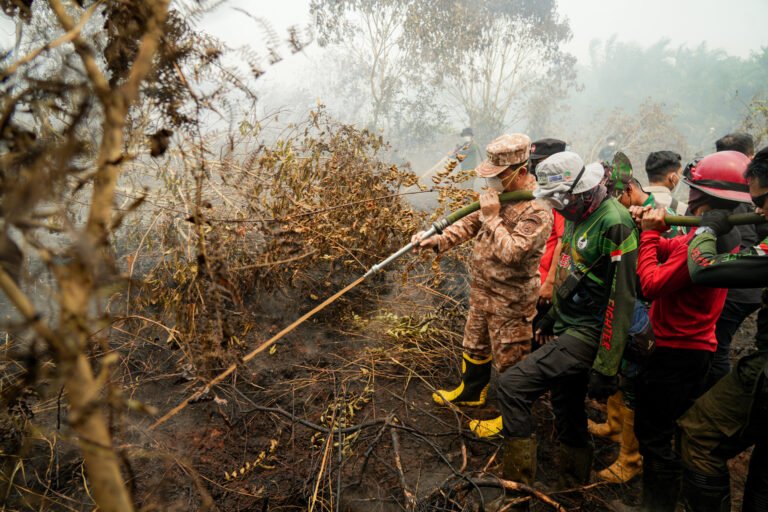

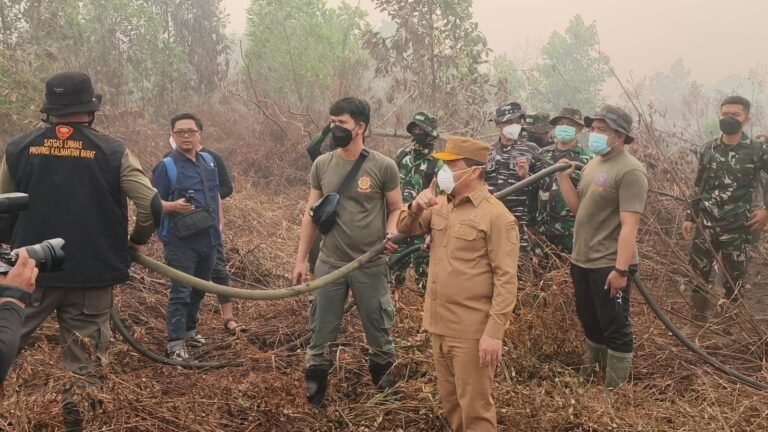
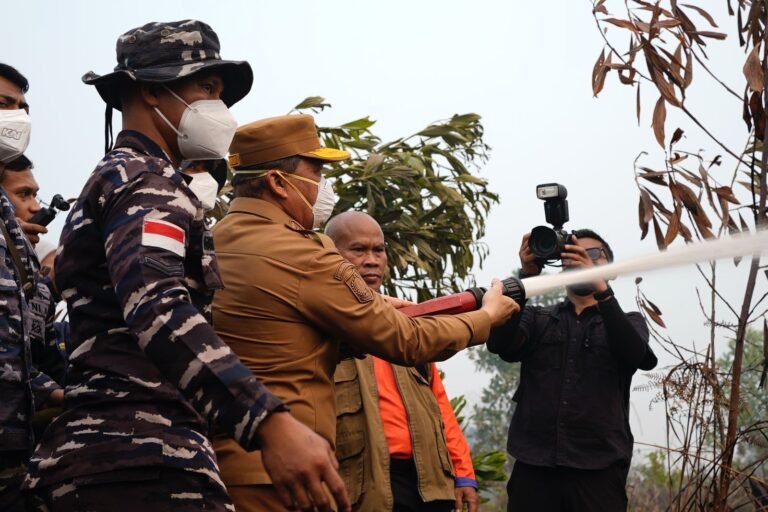
As the peak of the dry season approaches amid the potential threat of extreme El Niño conditions, the West Kalimantan Provincial Environment and Forestry Agency (LHK), together with cross-sector stakeholders, is strengthening preparedness to prevent and control forest and land fires.
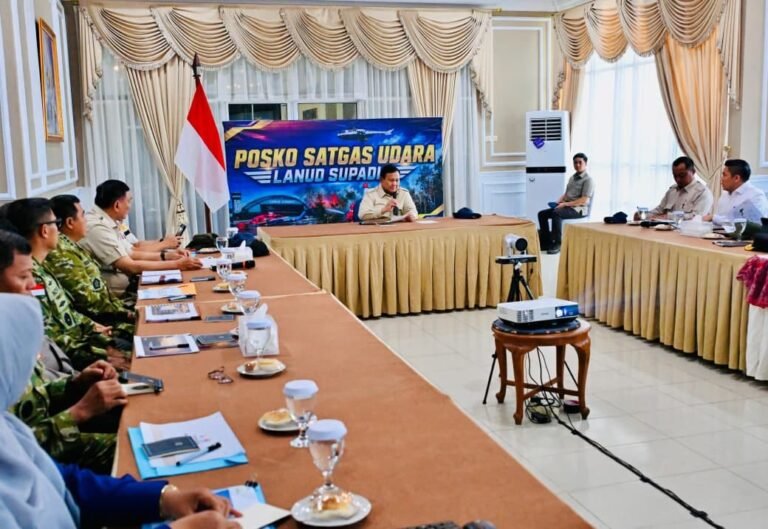
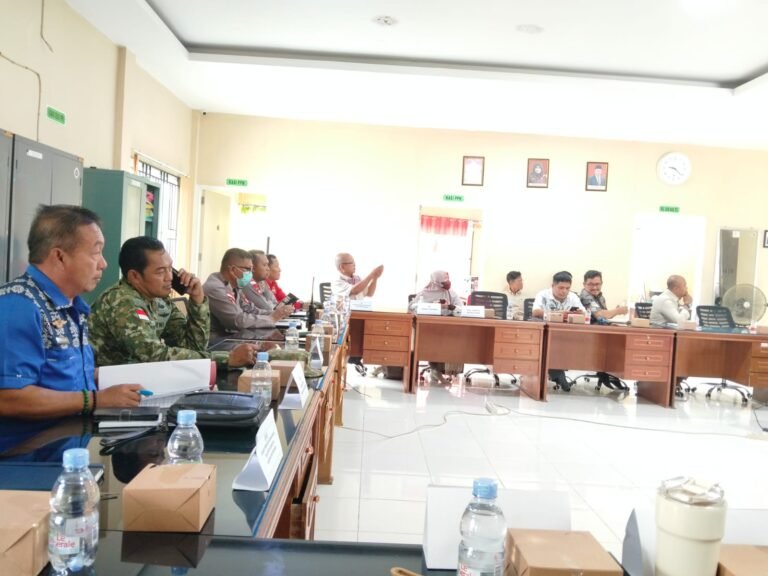
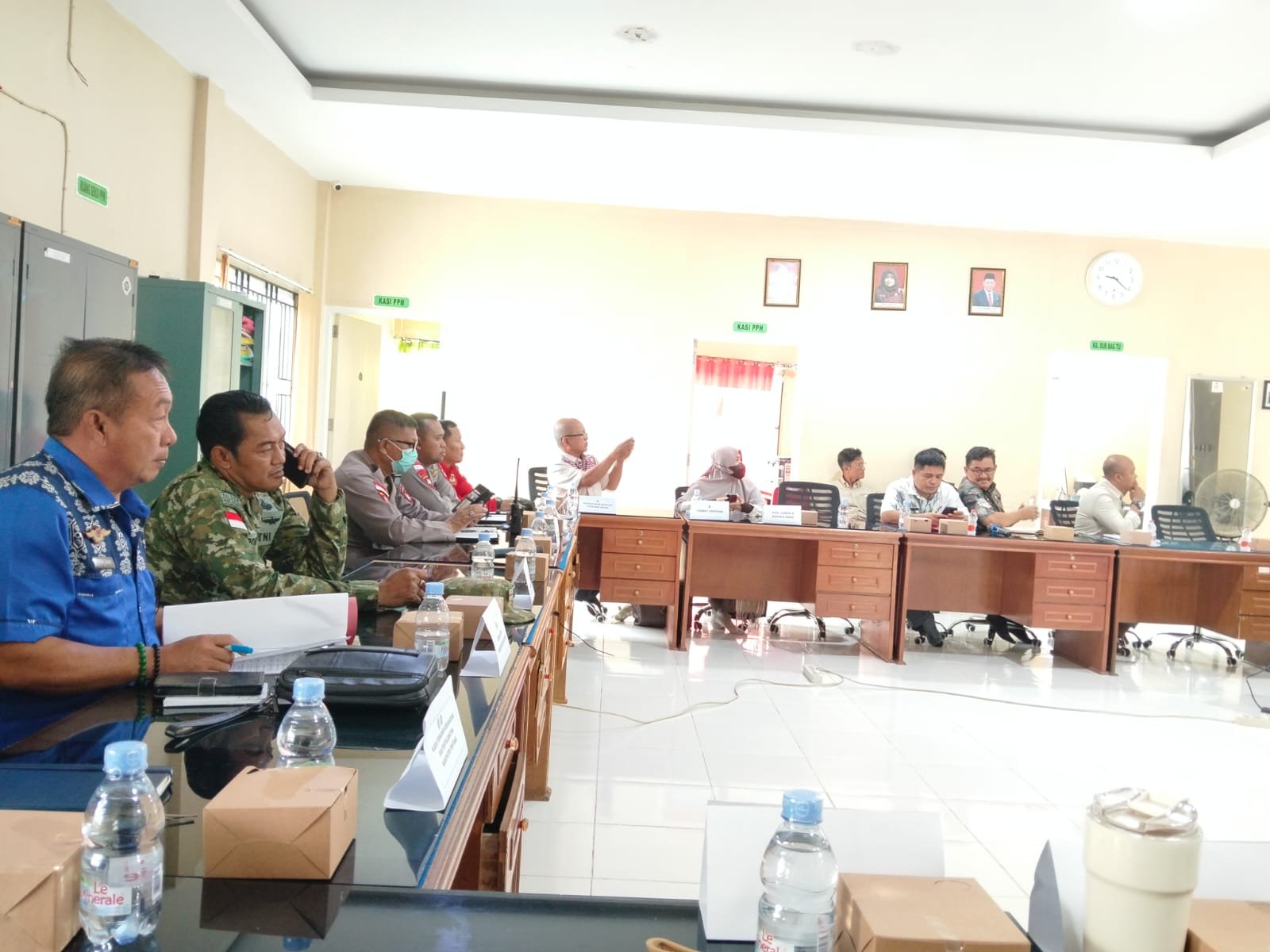
The initiative was reinforced through a 2026 Coordination Meeting on Forest and Land Fire Prevention and Control Preparedness, held at the North Sintang Forest Management Unit (KPH) Office on Thursday (August 20, 2026).
The Head of the North Sintang KPH opened the meeting on behalf of the Head of the West Kalimantan Environment and Forestry Agency and delivered strategic directives on forest and land fire prevention and response.
In his written remarks, Head of the West Kalimantan Environment and Forestry Agency Ir. H. Adi Yani, M.H., expressed his appreciation to the joint teams working on the ground for their efforts in limiting the extent of fire-affected areas in Sintang Regency.
According to data from Indonesia’s National Forest and Land Fire Monitoring System (SIPONGI), as of mid-August 2026, approximately 139.82 hectares of land had been affected by forest and land fires in Sintang Regency. The figure remains relatively contained compared with the 38,310.89 hectares affected across West Kalimantan.
The achievement demonstrates the importance of early detection and rapid firefighting response in containing the spread of fires. Nevertheless, all stakeholders were urged to remain vigilant, particularly as the region approaches the peak of the dry season.
“This achievement did not happen on its own. It demonstrates that early detection and firefighting efforts have been effective. However, we cannot afford to let our guard down, considering Sintang’s vast landscape and its proximity to the international border,” the Head of the North Sintang KPH said while delivering the message from the Head of the West Kalimantan Environment and Forestry Agency.
Sintang’s geographical position and extensive landscape present particular challenges for forest and land fire management. Prevention and control efforts are therefore essential not only to protect forests and the environment, but also to minimize the risk of haze spreading beyond regional and national boundaries.
Through the coordination meeting, cross-sector collaboration is expected to be further strengthened, covering prevention, monitoring and early detection, as well as rapid response when fires are detected. Joint preparedness will be crucial to keeping forest and land fires in Sintang under control throughout the 2026 dry season.
About the Author
